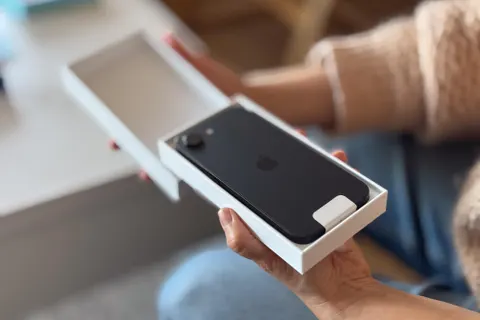
Apple appears ready to make a surprising move with the upcoming iPhone 17e, according to recent industry reports and insider analysis. The device, expected to succeed the iPhone 16e, may represent one of the most significant strategic shifts in Apple’s mid-range smartphone lineup in years. While the “e” series was originally positioned as a more affordable alternative to flagship iPhones, new information suggests that Apple is preparing to narrow the gap between its premium and entry-level offerings. This development could reshape expectations for budget-friendly iPhones and influence the broader smartphone market ahead of its official launch.
For years, Apple has carefully segmented its product lines. Flagship models typically debut in the fall with the latest innovations, while more affordable versions focus on delivering essential features at lower price points. The iPhone 17e, however, may challenge that formula. Reports indicate that Apple is planning to integrate more advanced hardware and premium capabilities into the device without dramatically increasing its price. Such a move would signal a clear shift in strategy, suggesting that Apple intends to compete more aggressively in the mid-range market.
One of the most notable rumored upgrades involves the processor. The iPhone 17e is expected to feature a next-generation chip derived from Apple’s latest silicon architecture. This processor would deliver faster performance, improved energy efficiency, and enhanced artificial intelligence capabilities compared to its predecessor. By incorporating a more powerful chip into the “e” model, Apple could ensure smoother multitasking, better gaming performance, and stronger long-term software support. This change alone would represent a meaningful upgrade for users who want high performance without paying flagship prices.
Another significant development centers on connectivity and wireless features. Industry analysts suggest that Apple may introduce improved modem technology in the iPhone 17e, potentially incorporating more advanced in-house components. Enhanced 5G efficiency, better signal stability, and improved battery optimization could result from these changes. If accurate, this would demonstrate Apple’s growing independence in chip design and its commitment to refining every aspect of device performance.
Design updates are also expected to play a role in this unprecedented shift. While the iPhone 17e will likely maintain a familiar overall appearance, subtle refinements could modernize the device. A high-quality OLED display is widely anticipated, offering deeper blacks, richer colors, and better brightness compared to older LCD panels. Slimmer bezels and improved durability may further enhance the user experience. Even if the overall design language remains consistent with previous models, the internal and display improvements would elevate the phone’s perceived value.
Perhaps one of the most discussed rumors is the potential inclusion of features previously reserved for higher-end models. Technologies such as enhanced wireless charging compatibility and expanded accessory support could appear in the 17e. By bringing these capabilities to a more affordable device, Apple would be democratizing features that were once exclusive to premium buyers. This approach reflects a broader industry trend in which mid-range smartphones increasingly adopt flagship-level technologies.
Camera improvements are also expected, although they may remain modest compared to Apple’s top-tier models. The primary sensor could retain high megapixel capabilities while benefiting from improved image processing powered by the upgraded chip. Enhanced low-light photography, better portrait effects, and more stable video recording may all be part of the package. Front-facing camera enhancements could further appeal to users who prioritize video calls and social media content creation. While the 17e may not rival the Pro models in photography, it could offer more than enough capability for everyday use.
Pricing strategy represents another crucial aspect of the upcoming launch. Reports suggest that Apple intends to keep the iPhone 17e competitively priced, potentially similar to its predecessor. If the company manages to deliver stronger performance, better connectivity, and premium-inspired features without significantly raising the price, the device could become one of the most attractive options in its category. Such a strategy would likely appeal to students, young professionals, and international buyers seeking reliable performance within a manageable budget.
The timing of the launch also contributes to the sense of strategic change. Instead of waiting for the traditional fall keynote, Apple may introduce the iPhone 17e through a more streamlined announcement. This approach reflects a shift in how the company distributes product releases throughout the year. By spacing out launches, Apple maintains consistent consumer interest and media attention while addressing different market segments more efficiently.
Market positioning will play a decisive role in the success of the iPhone 17e. Competition in the mid-range smartphone segment has intensified, with several Android manufacturers offering powerful devices at aggressive prices. By strengthening the hardware and feature set of the 17e, Apple appears determined to defend and potentially expand its market share. The combination of brand loyalty, ecosystem integration, and improved value could attract users who previously considered alternative platforms.
The broader implications of this shift extend beyond a single product cycle. If the iPhone 17e successfully bridges the gap between affordability and premium performance, Apple may continue this strategy in future releases. This could gradually redefine the meaning of entry-level within the Apple ecosystem. Instead of serving as a basic option with limited features, the “e” line might evolve into a balanced choice that delivers high performance with carefully selected compromises.
Consumer expectations have evolved rapidly in recent years. Users now demand fast processors, vibrant displays, reliable cameras, and long battery life regardless of price tier. Apple’s rumored adjustments suggest that the company recognizes this shift and intends to respond accordingly. By integrating more advanced components and refining the user experience, the iPhone 17e could represent a turning point in Apple’s approach to accessible devices.
In conclusion, the iPhone 17e stands poised to introduce an unprecedented shift within Apple’s smartphone lineup. Enhanced performance, upgraded connectivity, modern display technology, and broader feature integration all point toward a more ambitious mid-range device. If pricing remains competitive, the 17e could redefine expectations for what an affordable iPhone can offer. As anticipation builds ahead of the official launch, it becomes increasingly clear that Apple is not merely updating its budget model but strategically repositioning it for a new era of competition and consumer demand.